Understanding Food Choices When Eating Out
Published: February 2026
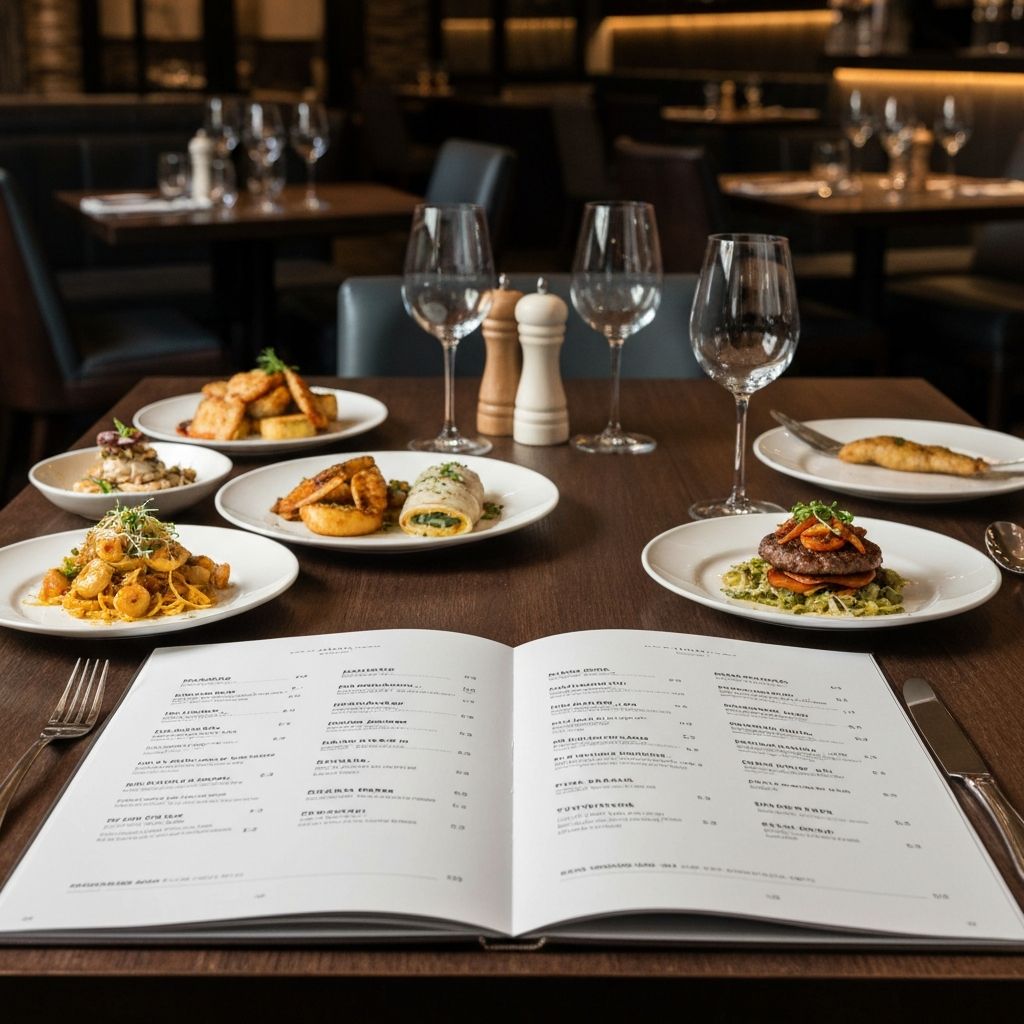
Introduction to Out-of-Home Dining
Eating out encompasses a diverse range of establishments including full-service restaurants, cafes, fast-casual venues, and food courts. Each type of establishment operates with distinct preparation methods, service styles, and menu structures.
This article examines general characteristics of out-of-home dining from an educational perspective, describing typical patterns without offering personal recommendations or advice.
Restaurant Meal Preparation
Restaurant meals are typically prepared by professional cooks following standardised recipes designed for consistency and efficiency. Key characteristics include:
- Use of commercial cooking equipment designed for volume
- Pre-portioned ingredients for consistency across servings
- Standardised cooking times and temperatures
- Professional techniques developed through training and experience
- Batch preparation methods for efficiency
These practices create different outcomes compared to individual home preparation, even when similar ingredients are used.
Ingredient Sourcing in Commercial Settings
Restaurants source ingredients through commercial suppliers, wholesale markets, and bulk purchasing systems. This sourcing approach differs from individual home shopping in several ways:
Commercial establishments prioritise consistency, availability, and cost efficiency. Ingredients may be fresh, frozen, or pre-processed depending on the establishment type and menu requirements.
The scale of restaurant operations means ingredients are often purchased in larger quantities with different storage and preservation requirements than home kitchens.
Menu Structure and Composition
Restaurant menus are designed to balance customer preferences, ingredient availability, kitchen capabilities, and operational efficiency. Common menu patterns include:
Main courses with accompaniments: Dishes typically combine a protein or plant-based centrepiece with side items such as vegetables, grains, or potatoes.
Combination meals: Pre-arranged groupings of items designed to provide variety and perceived value.
À la carte options: Individual items that can be ordered separately, allowing for customisation.
Menu descriptions provide information about ingredients and preparation methods, though the level of detail varies between establishments.
Portion Sizes in Restaurants
Restaurant portion sizes are standardised within each establishment but vary considerably across different types of venues. Factors influencing portion sizes include:
- Pricing structure and perceived value expectations
- Type of establishment and service style
- Cultural and regional dining norms
- Plate size and presentation standards
- Business model and target customer base
Studies have documented considerable variation in restaurant portion sizes, with some establishments serving quantities significantly larger than typical home portions.
Cooking Fats and Flavour Enhancement
Commercial kitchens commonly use cooking fats and oils for flavour, texture, and cooking efficiency. The types and quantities of fats used vary by establishment and cuisine type.
Restaurant cooking often incorporates butter, various oils, and other fat sources to achieve desired taste profiles and textures. These additions contribute to the overall caloric and nutritional composition of meals.
Salt and other seasonings are used to enhance flavour, with quantities typically higher than many home cooking practices. The exact amounts vary based on chef preferences and establishment standards.
Types of Dining Establishments
Different establishment types present distinct characteristics:
Full-Service Restaurants: Offer table service, extensive menus, and meals prepared to order. Wait times are typically longer, and presentation is emphasised.
Fast-Casual Venues: Combine quicker service with higher-quality ingredients than traditional fast food. Ordering is often counter-based with table delivery.
Cafes and Bistros: Provide smaller menus with emphasis on specific meal types or times of day. Atmosphere is often informal.
Quick-Service Establishments: Focus on speed and convenience with limited menus and efficient preparation systems.
Each type operates with different priorities regarding preparation time, ingredient quality, and service style.
Customisation and Special Requests
Many restaurants accommodate requests for ingredient modifications, preparation adjustments, or substitutions. The extent of possible customisation depends on:
- Kitchen structure and ingredient availability
- Service style and establishment policies
- Complexity of the requested modification
- Staff training and flexibility
Some establishments provide detailed nutritional information or ingredient lists, whilst others offer limited details about meal composition.
Social and Practical Aspects
Eating out serves multiple purposes beyond nutrition, including social interaction, convenience, celebration, and exposure to different cuisines. These contextual factors influence food choice patterns in restaurant settings.
The dining-out experience encompasses atmosphere, service, and social elements alongside the meal itself. These factors may influence quantity consumed and satisfaction levels independent of food composition.
Nutritional Transparency
Nutritional information availability varies considerably between establishments. Some provide detailed caloric and nutrient data, whilst others offer no formal nutritional information.
In some regions, regulations require certain establishments to display nutritional information. In other cases, information may be available upon request or through online resources.
Variables and Considerations
Restaurant meals are not inherently less or more nutritious than home-cooked meals. The nutritional outcome depends on specific menu choices, portion consumption, and preparation methods used by each establishment.
The diversity of restaurant types and cuisines means that generalisations about restaurant food are limited. Individual establishments and menu items vary considerably in nutritional composition.
Educational Context
This article provides general educational information about out-of-home dining. It does not constitute personal advice or recommendations.
Food choices in restaurants depend on individual circumstances, preferences, and needs. The information presented here is intended to explain concepts, not to guide individual dining decisions.
Readers are encouraged to make restaurant food choices based on their own circumstances and judgment.